The New Gallery Experience: Space, Architecture and Encounter
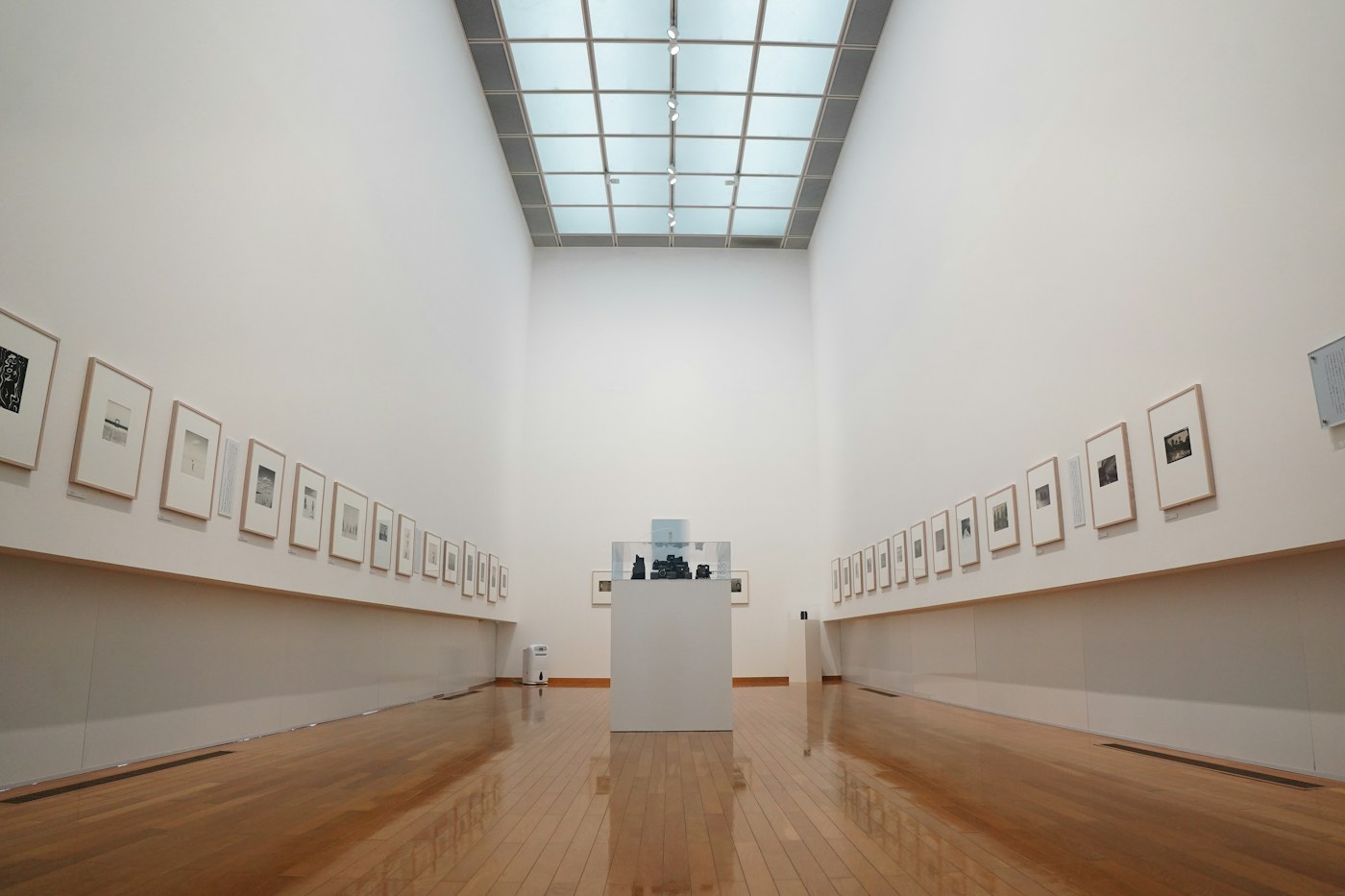
Exhibitions are shaped as much by the spaces around artworks as by the objects themselves. Light, circulation, scale, acoustics and even the pace of movement can alter how visitors experience an installation.
Why the white cube endures
The restrained white gallery remains influential because it reduces visual competition and offers flexible conditions for presentation. Yet neutrality is never complete: architecture influences attention, hierarchy and the relationship between visitor and artwork.
Beyond conventional display
Contemporary curators increasingly work with sound, performance, projected imagery and participatory formats. These practices can challenge fixed viewing positions and invite audiences to become active participants rather than passive observers.
Designing for access
Clear wayfinding, seating, readable interpretation and accessibility planning can make exhibitions more welcoming. Digital interpretation may extend access, but it should complement rather than overwhelm the work.
The city as exhibition space
Public installations, temporary interventions and neighborhood partnerships can take art outside traditional galleries. In a diverse city, these approaches open new conversations about who encounters art and where cultural exchange happens.
Editorial content; imagery is illustrative unless explicitly identified and credited.
Back to Journal